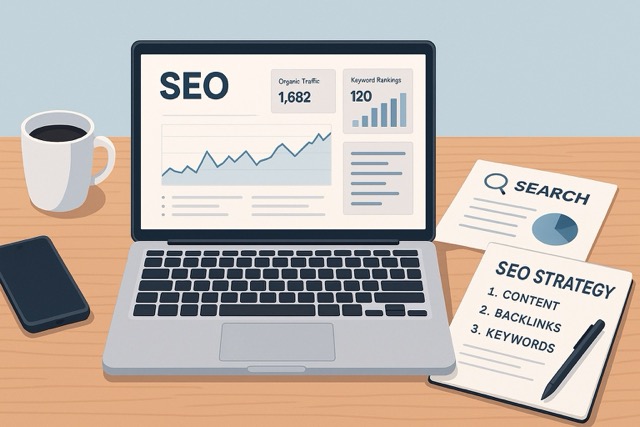
When you’re managing a website today, boosting your SEO ranking isn’t just about plugging in keywords anymore. You’re juggling search engine updates, user expectations, and competitors who are just as hungry for clicks. But with the right strategies in place, you can stay ahead. In this article, you’ll learn seven actionable methods that are working right now to improve visibility, traffic, and user engagement—and how to implement each one with confidence.
1. Focus on User Experience First
Before you touch your content, take a hard look at how people experience your site. If it’s slow, hard to navigate, or clunky on mobile, you’re sending traffic straight into the arms of your competitors. Search engines track these signals. A fast-loading, responsive, and intuitive site layout isn’t just good design—it’s a ranking factor.
Start by reviewing core web vitals. Use tools like Google PageSpeed Insights and Lighthouse to find problem areas. Fix broken links. Compress large images. Streamline your layout. And never forget that your content needs to be just as easy to read on a phone as it is on a desktop.
2. Write Like You’re Answering a Real Question
When someone types into a search bar, they’re not just looking for keywords. They’re looking for answers. Your job is to be the best possible resource for that question—fast. Structuring your content around questions and direct answers gives you an edge in both user satisfaction and search rankings.
Use tools like “People Also Ask” and keyword research platforms to find the right queries to target. Then give clean, punchy answers early in your content. You can expand later, but make sure the essentials are right at the top. This is how you land featured snippets and keep readers on the page.
3. Build Content That Deserves Backlinks
You’re not going to rank on page one if no one links to you. Backlinks still carry serious weight in how search engines assess authority. But forget spammy tactics. You want links that come naturally—because your content actually helped someone.
Create original studies, data visualizations, expert roundups, and how-to guides that offer real value. Then promote them through outreach, email newsletters, and social platforms. Ask yourself: would someone be proud to reference this piece? If not, keep refining it until the answer is yes.
4. Don’t Sleep on Schema Markup
Most websites still ignore structured data, and that’s a missed opportunity. Schema markup gives search engines clearer information about your content—what it’s about, what type of content it is, and how to display it in rich results.
Use schema for FAQs, reviews, products, events, and articles. This can enhance your visibility in search with star ratings, image previews, or quick answers. You don’t need to be a developer—Google’s Structured Data Markup Helper can walk you through it. You’re not just optimizing for crawlers anymore; you’re improving how users see you in the search results.
5. Use Local SEO to Claim Territory
If you serve a local area, make sure your SEO reflects that. Local searches often convert quickly—someone searching for a service “near me” is ready to take action. Your goal is to show up when they do.
Claim and optimize your Google Business Profile. Fill out every section: business hours, categories, photos, services. Ask happy clients to leave reviews and respond to them. Add location-specific keywords to your website and use structured data to mark up your business address. Local directories, industry associations, and community links all help solidify your presence.
6. Voice Search Is Changing the Game
More people are speaking to their phones than typing. Voice search isn’t just a gimmick—it’s reshaping how people ask for information. The queries are longer, more conversational, and often urgent.
To meet this demand, create content that mimics natural speech patterns. Answer questions clearly. Use headings like “How do I…?” or “What is the best way to…?” This kind of phrasing matches voice searches and positions your content for both assistants and humans. Add an FAQ section to your content to target these queries efficiently.
7. Track, Test, and Tweak—Every Month
You wouldn’t run a business without reviewing your financials, so don’t run your website without reviewing your SEO. Pull reports monthly. Look at your top-performing pages, bounce rates, and conversion paths. Find what’s working—and what’s not.
Tools like Google Analytics, Search Console, Ahrefs, and SEMrush give you powerful insights. Set goals for traffic, backlinks, and rankings. Run A/B tests on titles and meta descriptions. Keep adjusting your strategy based on what your data tells you. SEO isn’t a one-time task—it’s a performance that’s always on.
Top SEO Strategies
- Improve mobile speed and navigation
- Answer real user questions directly
- Build high-quality, shareable content
- Use schema to enhance visibility
- Optimize for local search with Google Business
- Target voice search with conversational content
- Monitor and adjust performance monthly
In Conclusion
SEO success today depends on smart choices and consistent execution. You can’t game the system like you could in the past. Instead, you win by offering a better experience, writing content that earns its place, and making your site easy to understand—for both people and search engines. Stay focused on what works. Track your progress. And don’t get distracted by hacks or gimmicks that won’t last.
Connect on Facebook for more insights and discussions on effective SEO strategies.

Jim DePalma is a media and marketing strategist and consultant with deep experience in digital media and brand growth. A former leader at Westinghouse Electric (during the CBS acquisition and Viacom integration) and at CBS MarketWatch, he now advises companies on digital strategy, M&A-driven transformation, and audience expansion.