Marketing on a tight budget is a challenge many small businesses face. The good news is that there are effective strategies that don’t require a large investment but can still have a significant impact. Over the years, I’ve seen businesses thrive using these low-cost methods, especially when applied with consistency and creativity. Let’s dive into eight affordable marketing tactics that can help small businesses grow.
1. Leverage Social Media Platforms
Social media is one of the most powerful and cost-effective marketing tools available today. Platforms like Facebook, Instagram, and Twitter allow small businesses to engage with their audience, share updates, and promote products without spending a fortune. For instance, regularly posting content that’s relevant and engaging helps build a loyal following, while also boosting visibility. Additionally, creating a Google Business Profile is an excellent move for local businesses. This profile makes your business more discoverable in Google Maps and local search results, making it easier for nearby customers to find you.
Social media is also a great way to respond directly to customers and gather insights from their feedback. Sharing posts with images, videos, and relevant hashtags expands your reach even further, helping you build brand recognition and engage with potential customers.
2. Optimize Your Website for Search Engines (SEO)
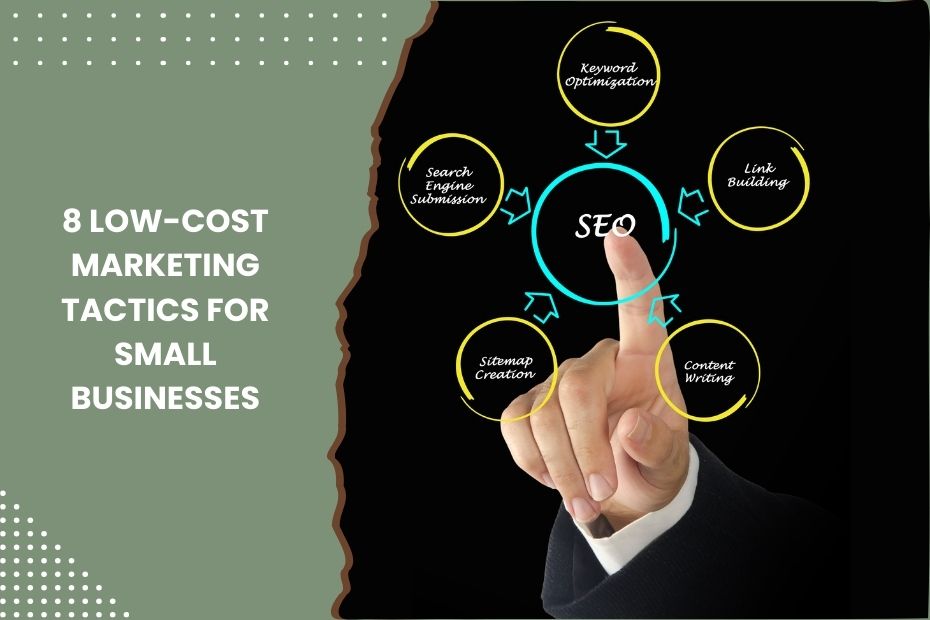
Improving your website’s search engine optimization (SEO) is a must for any business today. SEO can feel intimidating at first, but basic practices can make a noticeable difference. Start by identifying the main keywords related to your business, and incorporate them naturally into your website content, meta descriptions, and titles. This can boost your site’s ranking, helping potential customers find you easily when they search for relevant products or services.
Another important SEO step is ensuring your website is mobile-friendly. Many users browse on their phones, and Google prioritizes mobile-friendly sites in search rankings. I’ve seen businesses improve their online traffic substantially just by making small adjustments to their website’s speed and functionality. If you’re looking to track progress, tools like Google Analytics or the Google Search Console can provide useful insights into how your site is performing and where improvements can be made.
3. Create Valuable Content
Content marketing is an incredibly effective and affordable tactic for small businesses. Creating a blog, writing how-to guides, or even sharing industry insights on your website positions your brand as an authority in your field. People are constantly searching for information, and if your content provides answers, you’ll attract more visitors and build trust.
Starting a blog, for example, allows you to showcase your expertise and provide helpful information that’s relevant to your customers’ needs. I’ve found that businesses who commit to posting regular content see an increase in web traffic and customer engagement. Beyond blogs, video content is another great avenue. Videos don’t have to be overly produced; simple how-tos, tutorials, or product demos can be highly effective and shared on multiple platforms.
4. Engage in Community Events
Connecting with your local community can lead to valuable word-of-mouth marketing. Sponsoring or participating in local events, charity drives, or sports teams increases brand visibility and fosters goodwill and trust within your community. I’ve witnessed the positive impact of community involvement on customer loyalty—when people see a brand supporting a cause they care about, it resonates.
If sponsoring an event feels out of reach, consider volunteering your time or resources. Attending and networking at community gatherings, farmers markets, or local festivals can increase your brand exposure. Often, these connections are more meaningful than what traditional advertising can achieve, as they’re built on real interactions.
5. Utilize Email Marketing
Email marketing remains one of the most cost-effective ways to communicate directly with customers. Building an email list allows you to keep your audience updated on new products, promotions, or company news. With email marketing, consistency is key—sending monthly or weekly newsletters keeps your brand top-of-mind.
Using tools like Mailchimp or Constant Contact, you can create professional-looking emails even if you’re not a design expert. To build your list, consider adding a sign-up form to your website or offering a small incentive for subscribing, such as a discount or exclusive content. Personalized emails tend to perform well, as they make the reader feel valued. Remember to keep the messages informative and concise, focusing on what’s most relevant to your audience.
6. Collaborate with Other Local Businesses
Collaborating with other local businesses can broaden your reach while keeping costs low. Find non-competing businesses that share a similar audience and explore ways to work together. For instance, a coffee shop and a bakery could promote each other’s businesses through shared flyers, social media posts, or special bundle offers.
Cross-promotions are beneficial for both parties, helping each reach a new audience without doubling marketing expenses. You could also consider hosting a joint event, like a customer appreciation day, where both businesses benefit from increased foot traffic and exposure. By working together, small businesses can create value for their customers and enjoy the advantage of mutual support.
7. Encourage Customer Reviews and Testimonials
Positive reviews can significantly impact a small business, as potential customers often rely on the experiences of others when making a purchase decision. Encourage satisfied customers to leave reviews on Google, Yelp, or your social media pages. You could even create a small sign or a link on your website to remind customers to share their feedback.
Managing your online reputation is important, and positive reviews help build credibility. Additionally, you can showcase testimonials on your website or social media to highlight the satisfaction of your customers. I’ve seen small businesses increase their customer base simply by displaying reviews that provide reassurance to new customers about the quality of their offerings.
8. Offer Referral Incentives
A referral program can be a low-cost yet highly effective way to attract new customers. Happy customers are often willing to recommend a business, especially if there’s an incentive involved. Offering a discount, freebie, or exclusive perk for referrals encourages your existing customers to bring in friends and family.
With a referral program, you benefit from the trust that already exists between your customer and their connections. Not only is this approach budget-friendly, but it also helps you reach potential customers who are likely to trust your business more because of the personal recommendation. Many businesses I’ve worked with have successfully grown their customer base by simply offering small rewards for referrals.
Low-Cost Marketing Tactics for Small Businesses
- Use social media to engage
- Optimize your website for SEO
- Create valuable content
- Participate in community events
- Utilize email marketing
- Collaborate with local businesses
- Encourage customer reviews
- Offer referral incentives
In Conclusion
Marketing doesn’t have to be expensive to be effective. Small businesses can achieve meaningful growth by strategically using low-cost tactics like social media, SEO, community involvement, and referral programs. The key is consistency—when you commit to these efforts and tailor them to your audience’s needs, they’ll yield results over time. I’ve seen firsthand how these approaches increase brand visibility and build stronger relationships with customers, which are invaluable for long-term success. Start with a few tactics, track your results, and adapt as needed. With a little creativity and persistence, these affordable strategies can lead to impressive growth for your business.

Jim DePalma is a media and marketing strategist and consultant with deep experience in digital media and brand growth. A former leader at Westinghouse Electric (during the CBS acquisition and Viacom integration) and at CBS MarketWatch, he now advises companies on digital strategy, M&A-driven transformation, and audience expansion.